
Packaging Recommend
MUST READ
Apparel Packaging Operation Strategies for Economic Downturn
Questions:I run a clothing store. Given the current tough economic climate, is it still necessary to offer fancy elaborate packaging?
Answer: During an economic downturn, clothing stores do not need costly, elaborate packaging, but they must adopt cost-effective premium packaging.
Combining your store's current operational status with the 2026 apparel packaging trends outlined earlier, here are actionable, budget-friendly, reputation-preserving business takeaways tailored for you:
I. Core Takeaways (Adapted to the Current Sluggish Economy)
In tough economic times: Steer clear of premium, high-cost fancy packaging (rigid boxes, gold foil stamping, multi-layer gift boxes, custom color cartons), yet never downgrade to plain unadorned packaging.
Consumers' core mindsets shift amid economic headwinds:
- Greater focus on cost performance: They refuse to pay extra premiums for superfluous brand packaging and resent merchants passing packaging costs onto garments.
- Higher emphasis on thoughtfulness and texture: Flimsy, shoddy plastic bag-only packaging instantly cheapens apparel quality and cuts repeat purchase rates.
- Preference for practical, minimalist, sustainable packaging - fully aligned with the latest 2026 industry trends.
II. Why Traditional "Luxury Packaging" Backfires Today
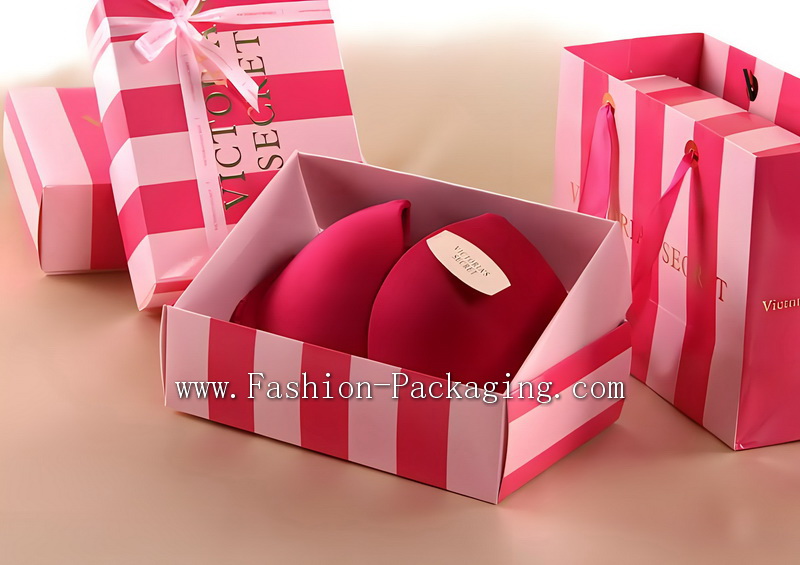
Classic fancy packaging features thick gift boxes, heavy color printing, lamination, ribbons and decorative embellishments.
- High costs eat into profit margins, amounting to purely wasteful spending in a weak economy.
- Customers almost always discard such packaging after unboxing, creating single-use waste.
- It stands in direct conflict with today's dominant apparel packaging trends: minimalism, sustainability and lightweight design.
III. Low-Cost Alternatives (Aligned with 2026 Trends, Budget-Friendly Yet Upscale)
Matching the four major trends covered earlier, these options avoid heavy spending while elevating store aesthetics and retaining customers:
1. Minimalist Single-Material Packaging (Matching Lightweight Luxury Trend)
Abandon multi-layer composite packaging, full-color printing and film lamination.
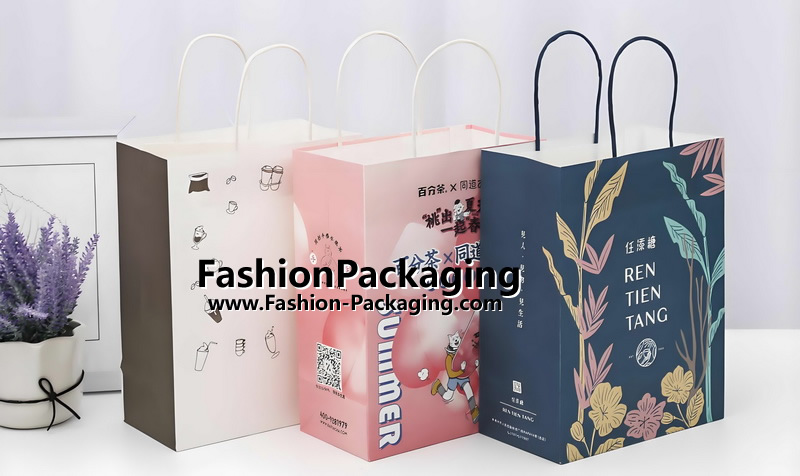
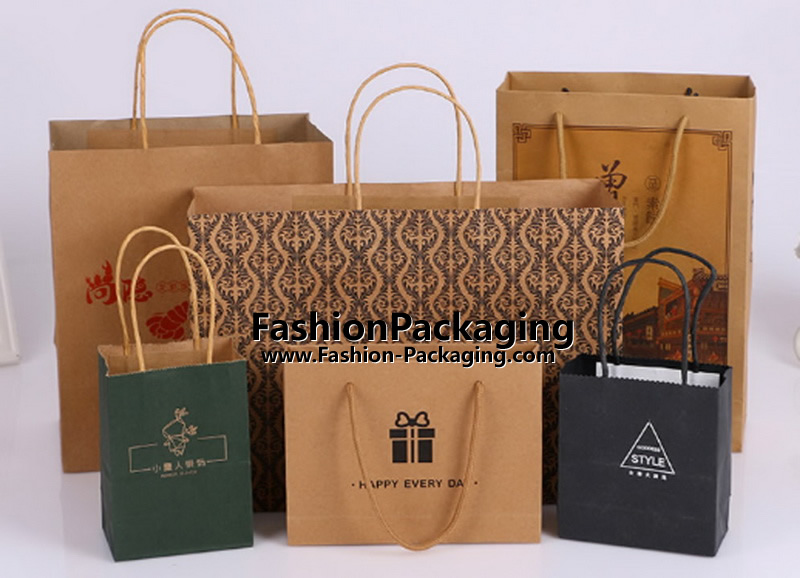
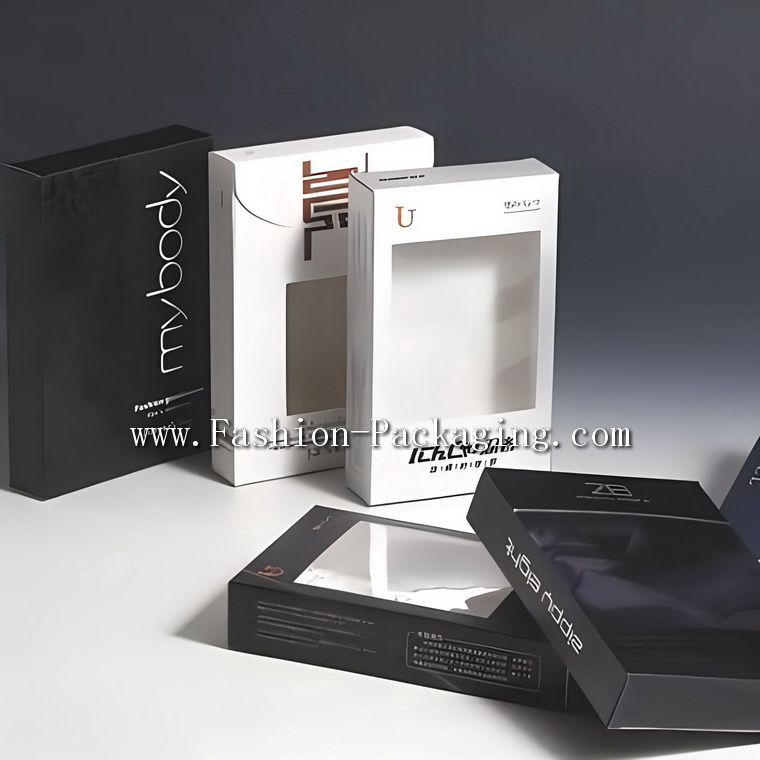
Opt for solid kraft paper / uncoated white paper bags paired with simple embossed stickers.
This comes at minimal cost while delivering a sleek, upscale look that follows 2026 minimalist luxury packaging design logic.
2. Reusable Packaging (Matching Sustainability & Circular Economy Trend)
Ditch single-use courier bags and thin plastic sacks.
Use reusable fabric storage pouches for small items (low unit cost when ordered in bulk) and thickened kraft paper bags for larger apparel pieces.
Shoppers can repurpose these carriers, leaving them impressed by your store's eco-conscious thoughtfulness - far more favorably received than flashy gift boxes.
3. Eliminate All Redundant Decorations
Remove ribbons, full-color printed hang tags, gift box liners and decorative cards.
Retain only the essentials: apparel, simple dust-proof tissue paper, minimalist store stickers and compact after-sales cards.
"Less is more" is the defining dominant trend for apparel packaging in 2026.
4. Tiered Packaging (Maximize Cost Savings)
- Mass-market everyday styles: Ultra-simple paper packaging
- High-ticket and gift-oriented items: Mildly refined packaging (no gift boxes, merely thickened drawstring paper bags)
Precisely control expenses and avoid uniform packaging waste across all products.
IV. The True Value of Packaging in an Economic Downturn (Core Profit-Driving Functions)
Packaging is no longer just for visual appeal; its key purposes are:
- Preserve garment condition to reduce returns and exchanges, cutting direct financial losses.
- Elevate unboxing customer experience to boost word-of-mouth reputation and repeat purchases at low cost.
- Cultivate a reliable, clean brand identity that attracts more shoppers than ostentatious packaging ever could.
V. Final Operational Advice for Your Clothing Store
- Discontinue all high-priced luxury gift boxes, custom color cartons and ornate packaging solutions.
- Fully transition to minimalist, circular, lightweight, zero-waste packaging in line with mainstream 2026 industry standards.
- Redirect saved packaging expenses into competitive garment pricing, small free gifts and after-sales perks - tactics that resonate strongly with consumers during economic slumps.
Quick Recap
In a sluggish market, lavish packaging yields no benefits. Clean, functional, sophisticated minimalism is the optimal packaging strategy for clothing stores right now.
 Apparel